How Do We Gather Around Food Differently?

What Does It Mean to Practice Food as a Commons?

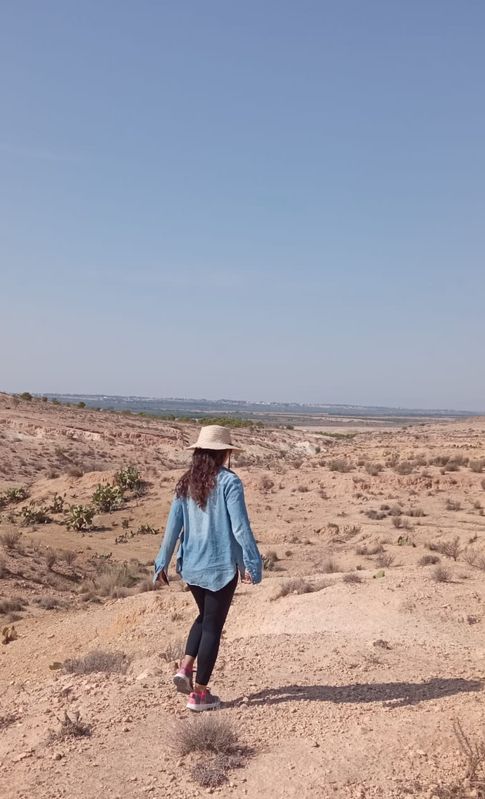
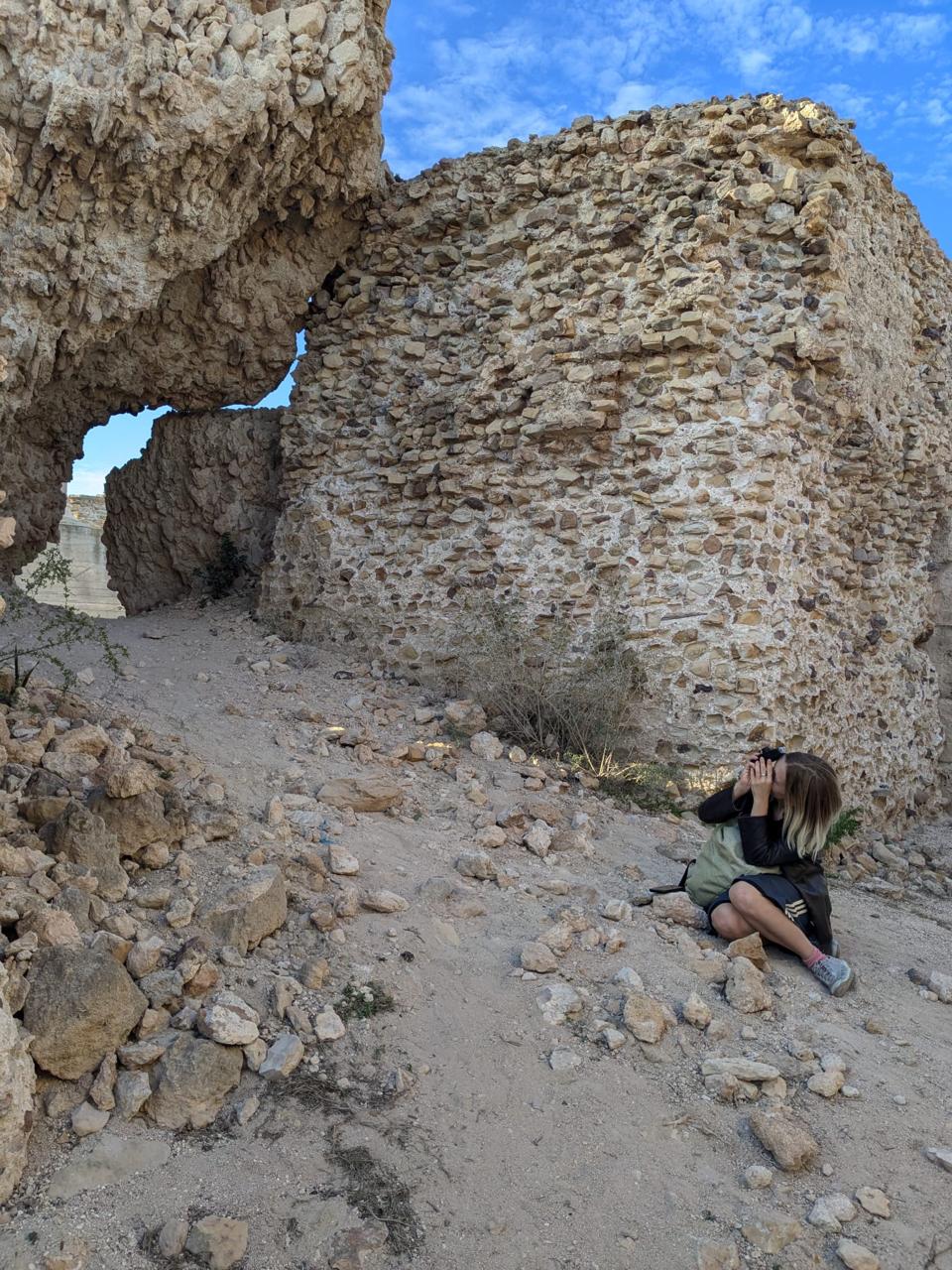
Mobile Food Commons is a moving body—a traveling kitchen, a temporary shelter, a place of encounter. Initiated by Broudou School through the School of Commons open call, it unfolds across territories as a series of pop-up spaces, online and offline gatherings, shared meals, and collective practices.

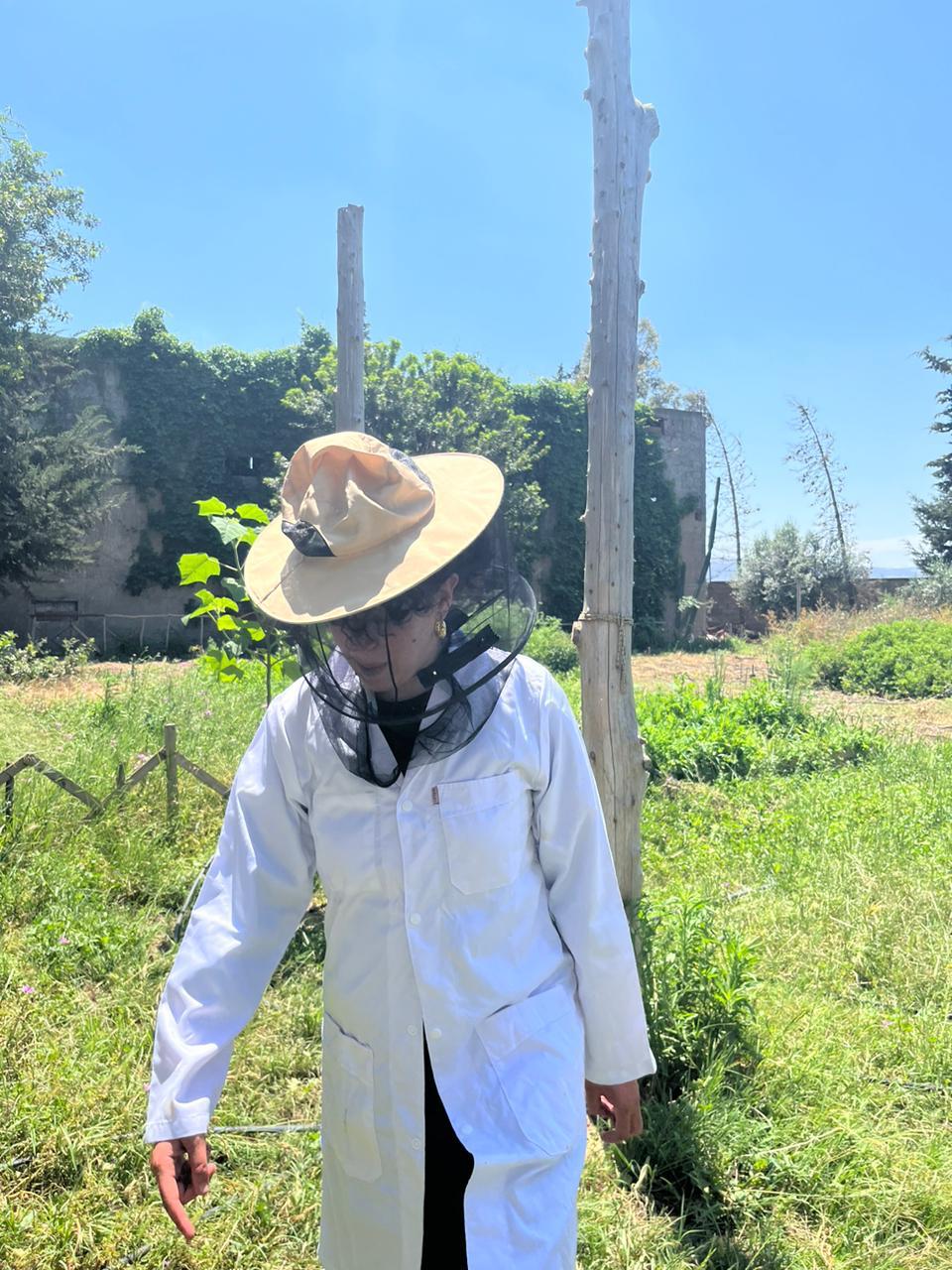
As it travels from one community to another, Mobile Food Commons invites people to gather around food as a living archive: to harvest, garden, ferment, preserve, cook, and eat together. It is conceived as a mobile “food lab” where participants experiment with alternative ways of relating to food—ways that are rooted in care, reciprocity, and collective responsibility.

Within this space, knowledge circulates horizontally. Stories, gestures, seeds, and recipes are exchanged alongside reflections on ecological imbalance, extractivism, and systemic injustice. By physically embodying radical sharing, commons-based methodologies, and the reciprocity of local hospitality, the Mobile Food Commons becomes a site of trans-local exchange, weaving together diverse voices, memories, and lived experiences.

Playful and experimental, the project acts as a living laboratory for reactivating ancestral knowledge and renewing bonds with land, water, and more-than-human worlds. It imagines food systems not as isolated infrastructures, but as relational ecosystems—central to struggles for climate justice, ecological repair, and collective futures.
Who Is Behind This Learning Space?

Broudou School is a collective and multidisciplinary learning environment based in Tunis, devoted to artistic research at the intersections of ecology, agriculture, and food. Its members are from Tunisia and Austria; Aziza Gorgi, Cyrine Ghrissi, Emily Sarsam, Raouia Briki, Mary Sarsam, and Sarra Bouzgarrou. The school emerged after three years of independent research and publishing through BROUDOU, a publication series exploring food as a political, cultural, and embodied practice. From decolonial, ecological, queer, and feminist perspectives, Broudou School explores the future of food as a space of resistance, care, and imagination.

Working alongside artists, researchers, farmers, and local communities, the collective organizes workshops, field trips, experimental residencies, and food-based encounters in collaboration with Mouhit, an artist residency and project space in Tunis. The learning platform acts as a meeting point bridging theory, creative practice, and embodied learning, connecting people across geographies who face similar challenges around food sovereignty and social justice.

How Does the Collective Organize Itself?

Broudou School is formed by a core group of six members, with an open structure that invites others into discussion and project development.

The collective operates through rotating roles: facilitation, documentation, coordination, and financial care circulate among members. Shared values and key thematic interests guide the work, while both long-term visions and short-term goals are collectively defined. The initiative began as fully collaborative projects and gradually evolved to include individual research paths, while maintaining a strong culture of mutual support and shared responsibility.

Challenges such as limited time and reduced meeting frequency have emerged over time. While the collective functioned more actively in its early stages, the absence of a clearly defined long-term schedule affected continuity. Nevertheless, the core values and collaborative spirit remain central.

What Was Shared at the School of Commons Gathering?

Broudou School was represented at the School of Commons gathering in Zurich (July 2026) by Cyrine Ghrissi, a Tunisian art curator and collective member.

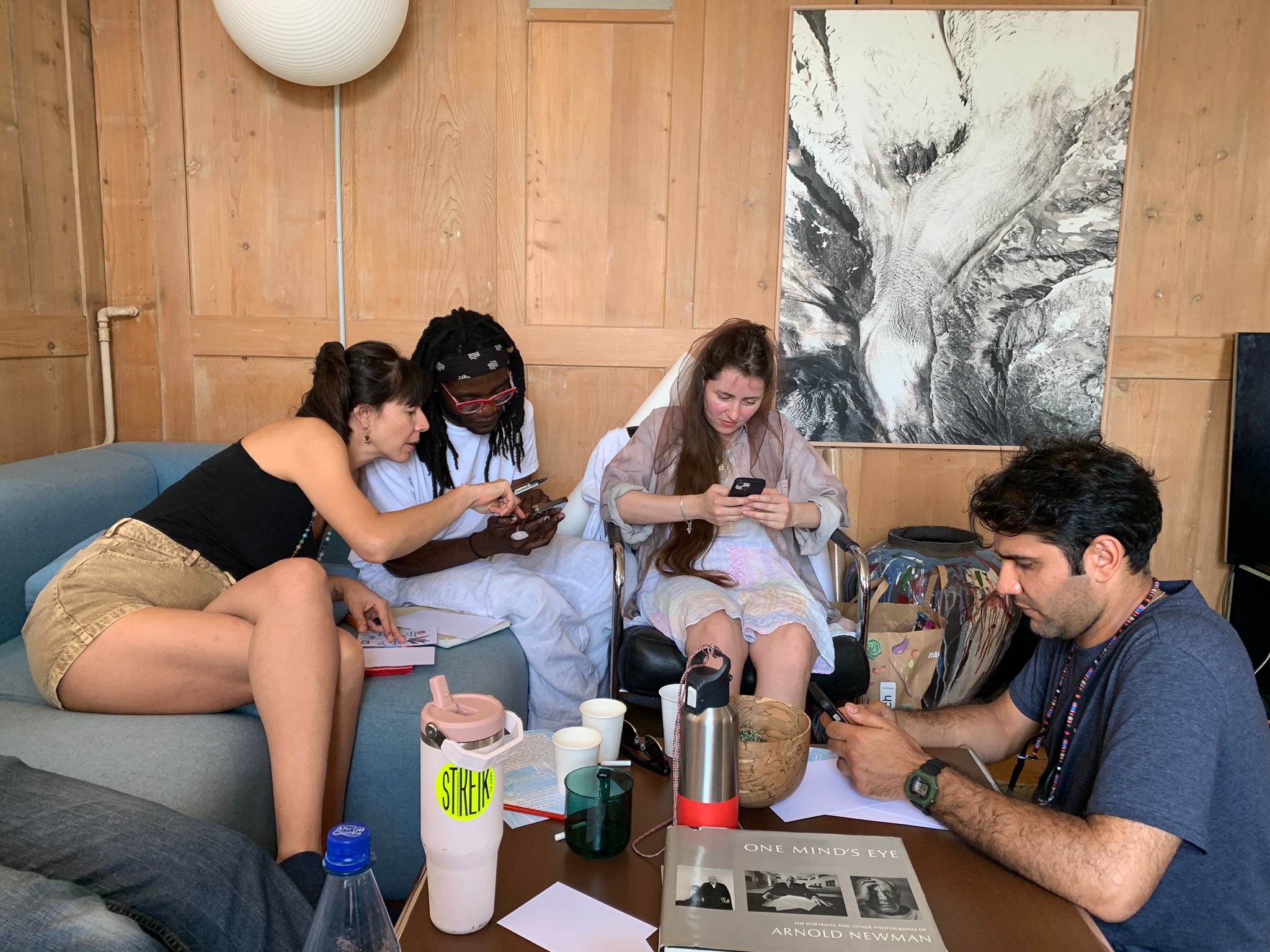
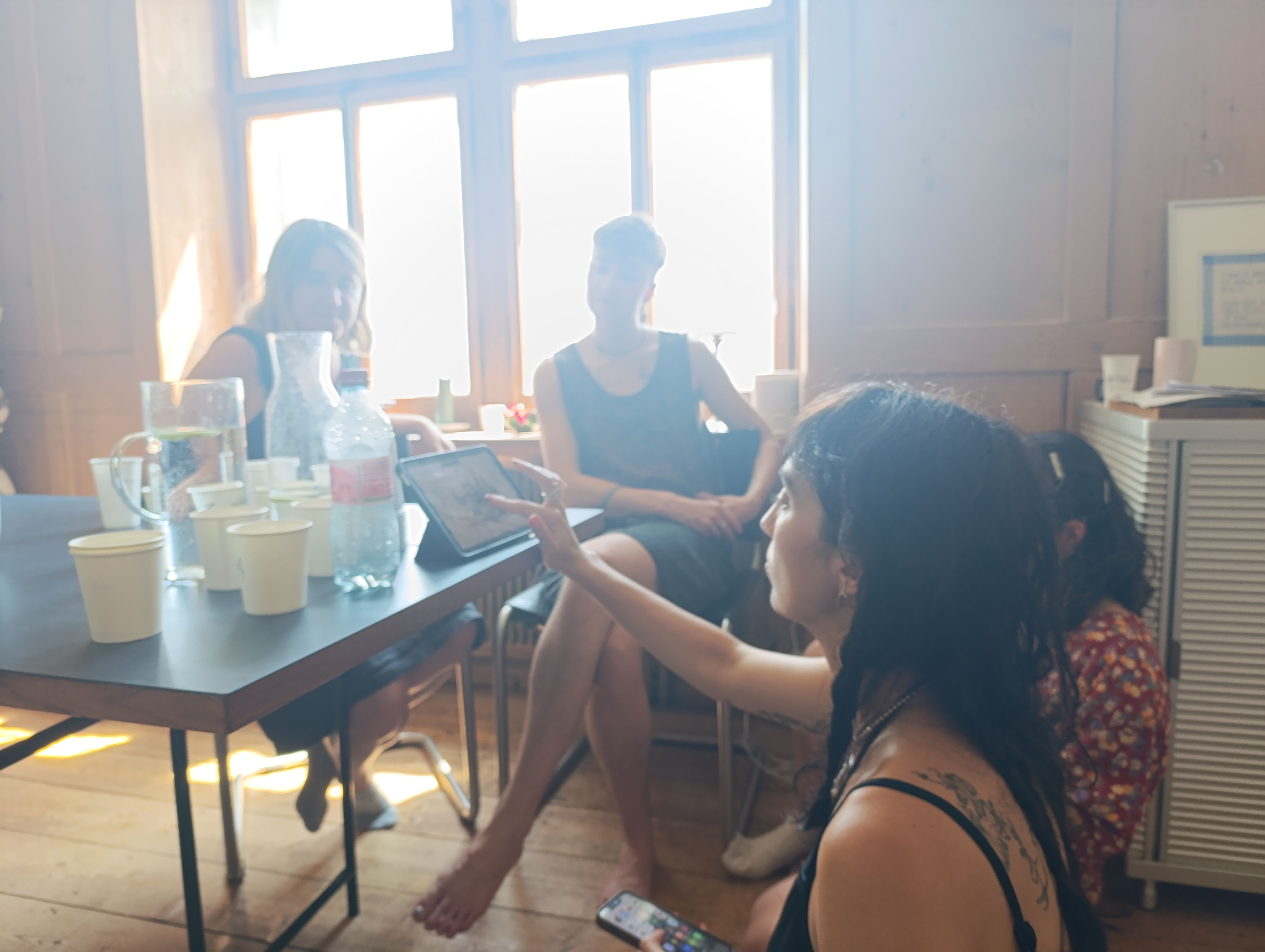
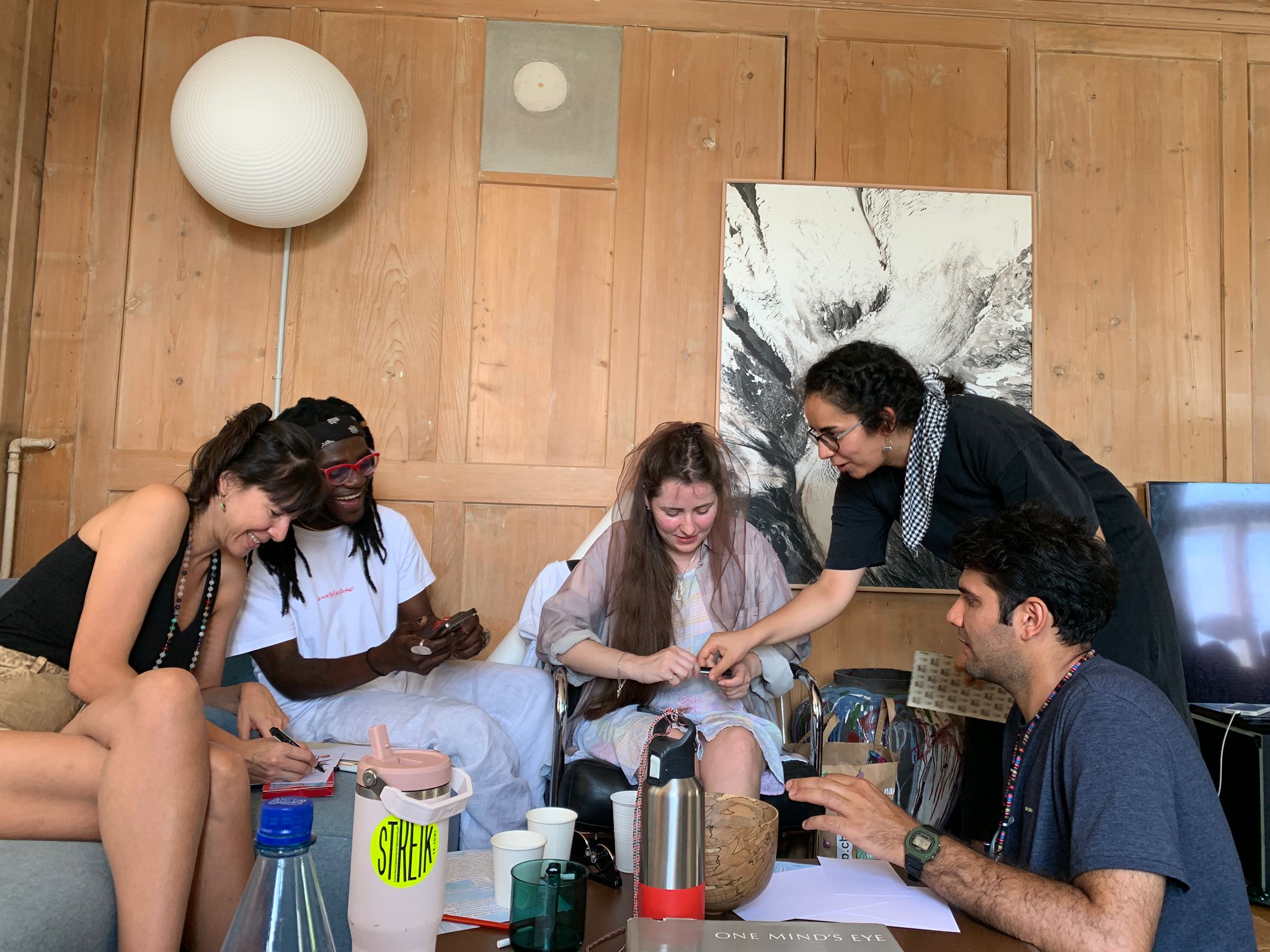
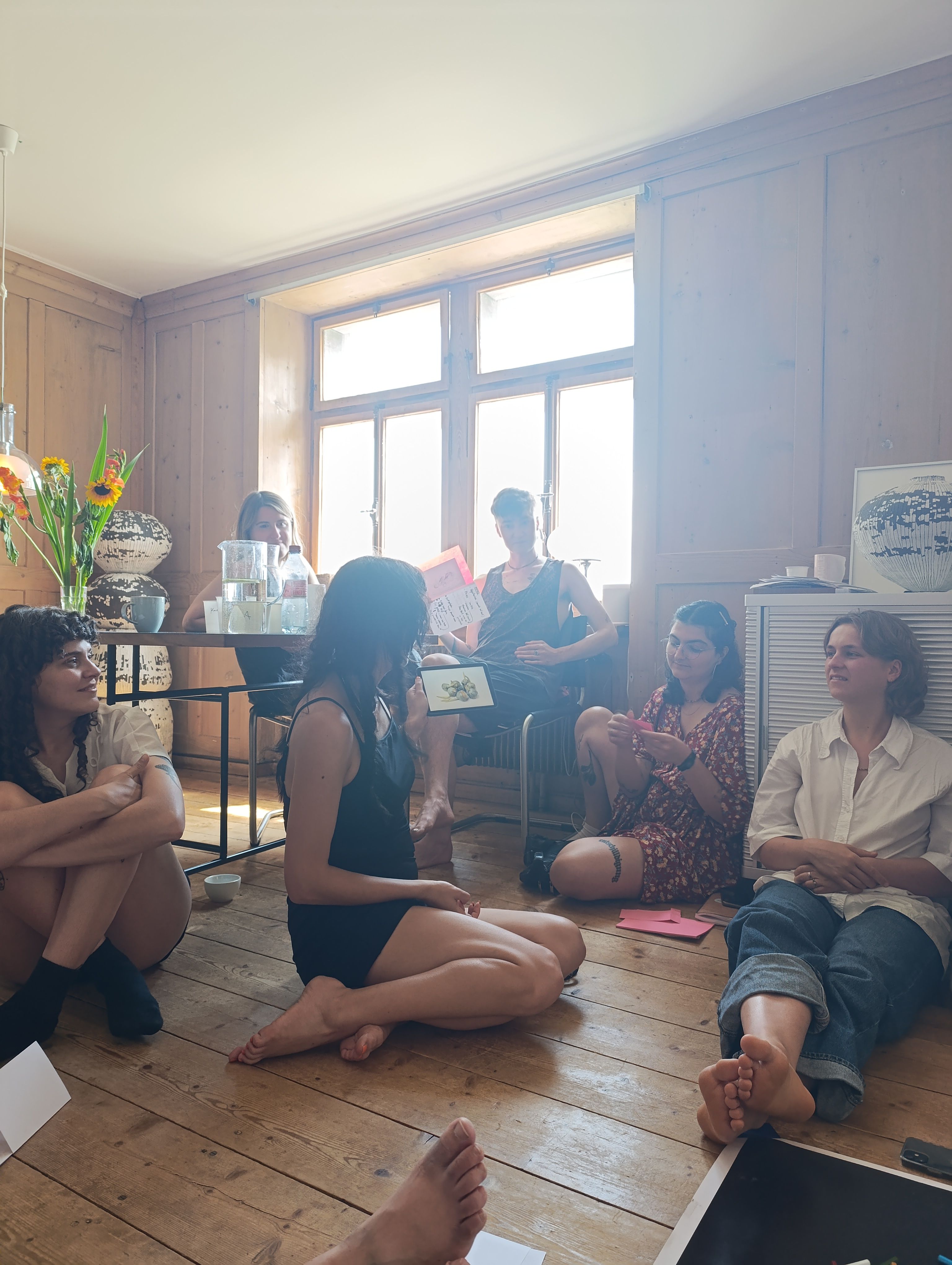
The gathering was marked by a welcoming atmosphere, bringing together people from diverse disciplines who shared common values. Collective cooking, working, and eating together created fertile ground for exchange and co-design.

Workshop: Wetlands Recipes

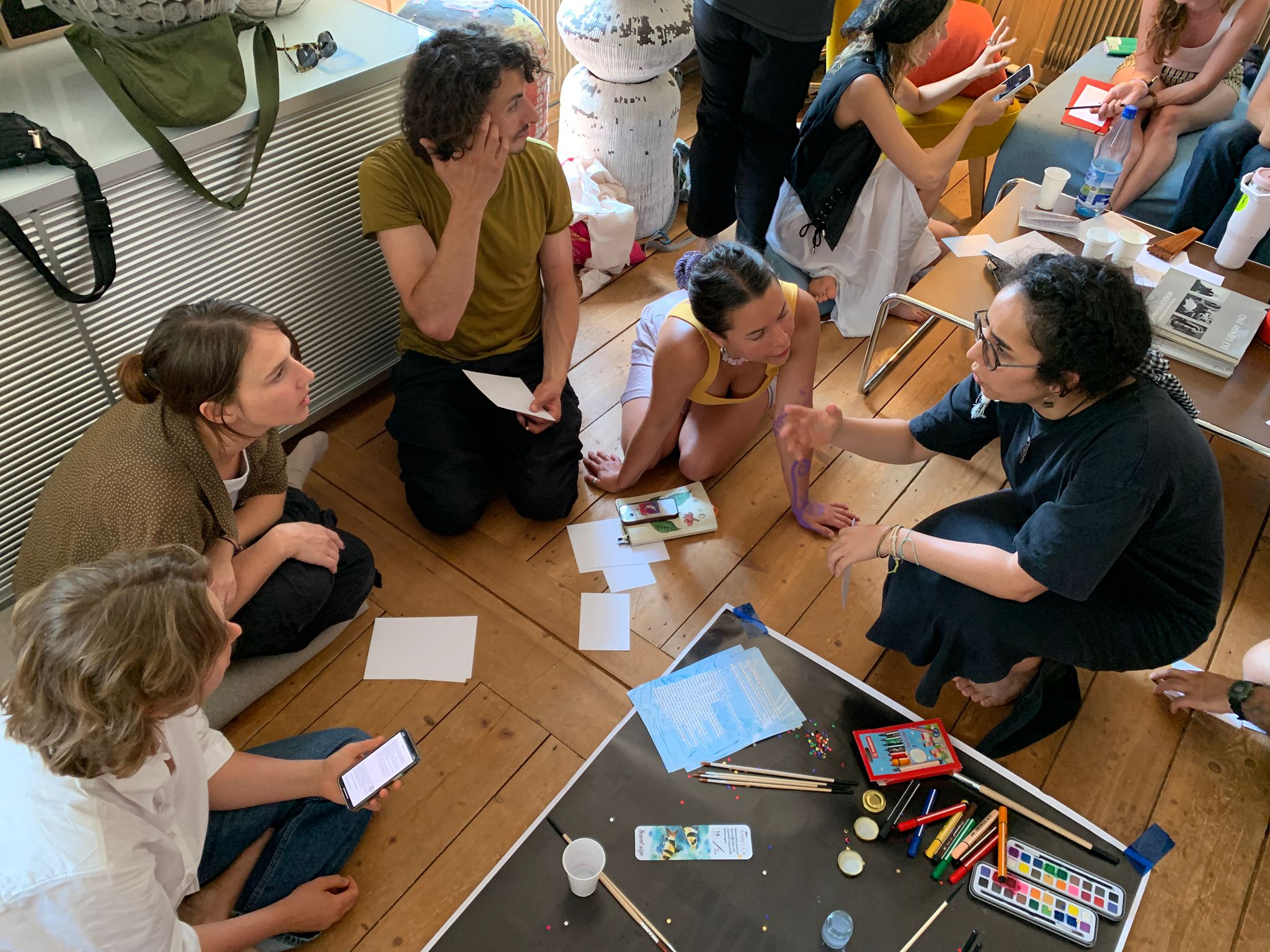
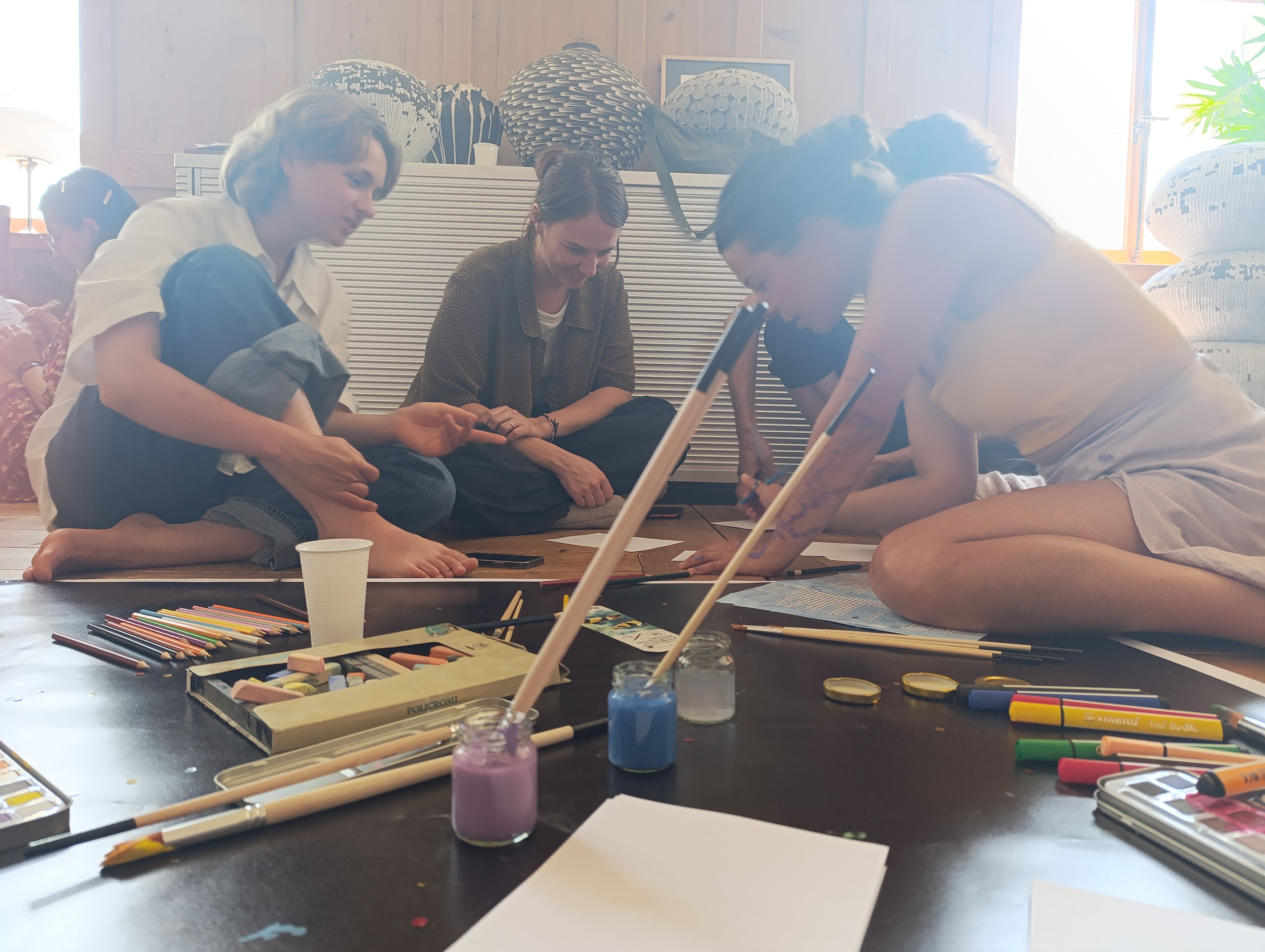
Cyrine facilitated a participatory workshop inviting participants to recall personal memories connected to wetlands. Working in six small groups, participants identified water bodies from memory, explored wetland flora, and selected one plant to collectively create a recipe inspired by their chosen ecosystem and cultural backgrounds.

The workshop resulted in six food and drink recipes, accompanied by performative presentations. Shared values and task distribution were established from the beginning, highlighting the collective process as a central element. The workshop reflected one of Broudou School’s ongoing interests: understanding how groups work together, and how collective processes can be sustained.

More details about the workshop:

Wetland Plants, Collective Recipes & Food Sovereignty is a one-hour participatory workshop exploring wetlands as shared commons and sources of food sovereignty. Beginning with an introduction to Broudou School and related materials, the session frames wetlands as biodiverse, resilient landscapes often misrepresented as wastelands, yet vital for climate mitigation, refuge, and care. Through guided discussion, participants reflect on commoning landscapes and the role of wild wetland plants as neglected but nutritionally and medicinally rich resources. The core activity invites participants to collectively map a wetland they feel connected to, select a local plant, and create a recipe inspired by its properties and their own cultural food traditions, illustrated and written on postcards. The workshop concludes with a sharing circle where participants present their recipes and stories, weaving connections between ecology, cultural memory, survival, and resistance, and ends with a collective reflection and the creation of a temporary shared archive of knowledge.

What Continues Beyond the Gathering?

Following the School of Commons gathering, Broudou School expanded its network and forms of exchange. New relationships and shared interests emerged with Sala de Té, (d)estructura, and Glacier Rapport.

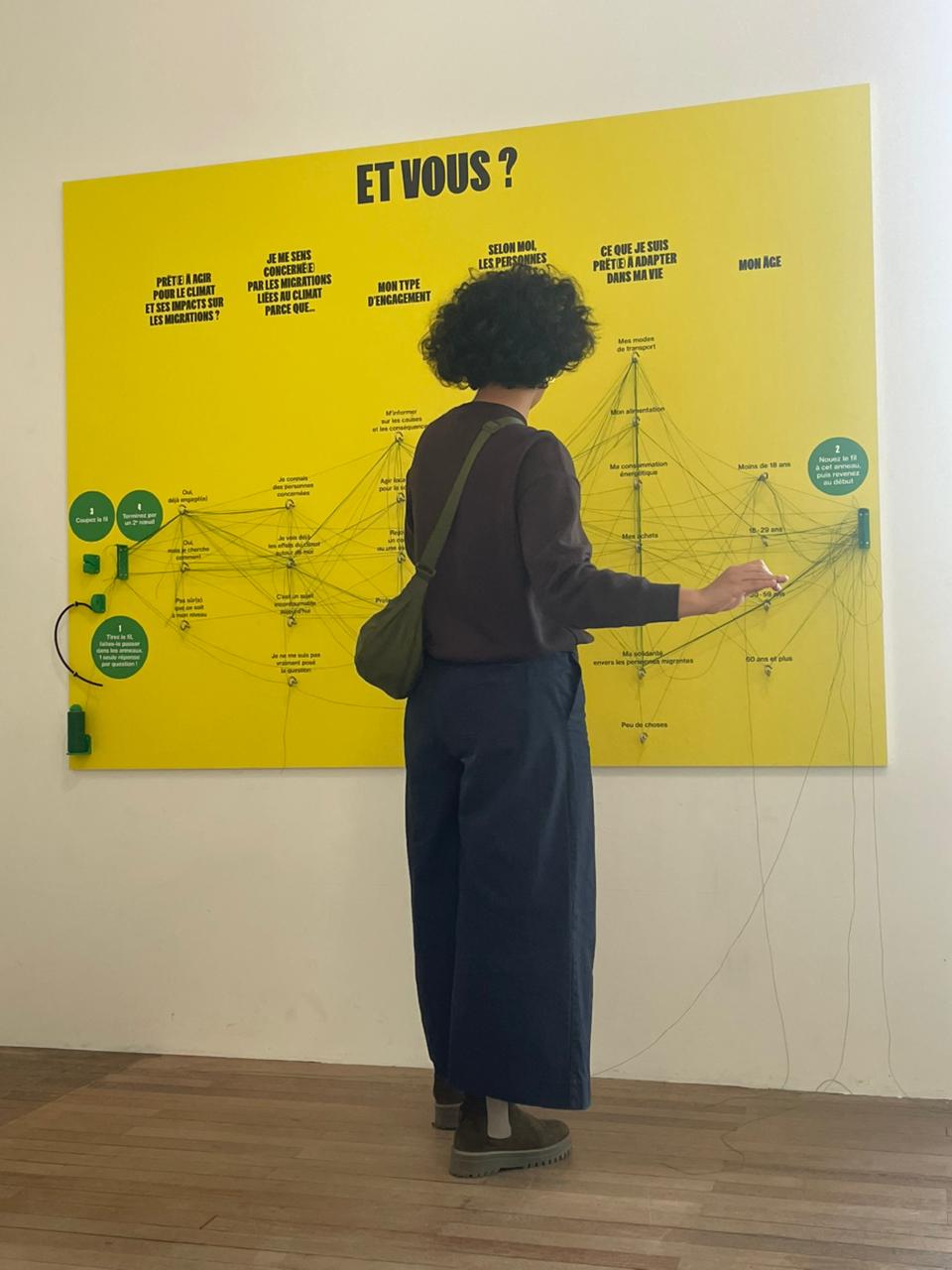
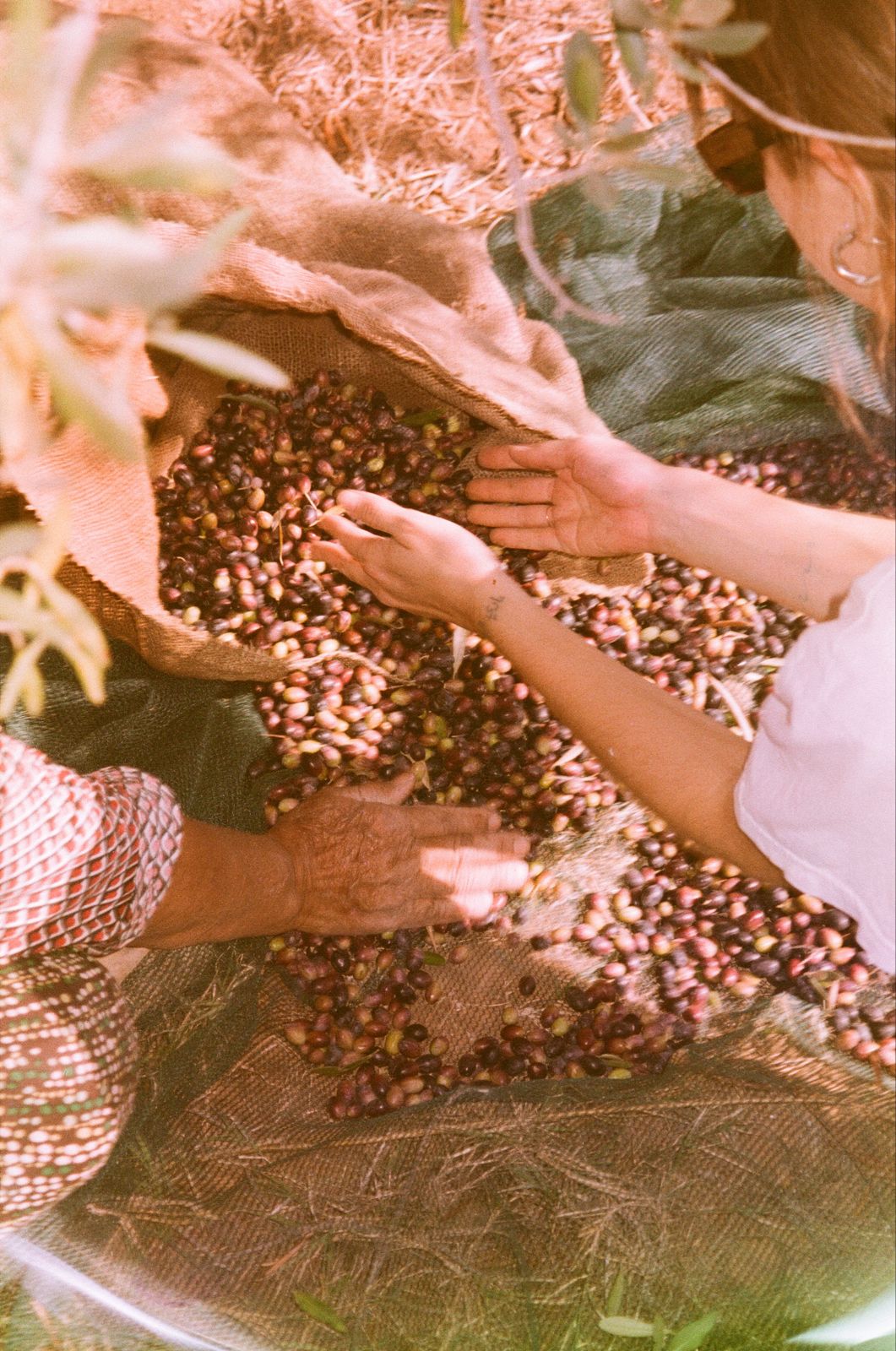
Glacier Rapport invited Broudou School to present photographic material from Broudou Magazine, including two editions focused on olive oil and bread, and to host a workshop as part of the exhibition Fluten Weimar, curated by Giuliana Marmo.

Besides this, the sharing of food together to experiment in different lands, like Harina de Chontaduro, was exchanged from Mariangela, (d)estructura member, in Colombia, to Broudou School in Tunis.

Dialogue, collaboration, and shared research continue to shape the project’s next steps and sustain the bond between SoC different members and participants.

What Supports Collective Work Over Time?

Collective Organization

  • Identify and revisit core values
  • Develop long-term plans alongside clear actions
  • Define and rotate roles
  • Establish a consistent meeting calendar

Work Process

  • Integrate evaluation throughout the process
  • Assign responsibility for tracking progress
  • Recognize collective work as sustained labor

Working With Communities

  • Involve communities in project design
  • Prepare through research and contextual understanding
  • Collaborate with experts and local knowledge holders
  • Share knowledge as a collective resource

Sara Bouzgarrou

Sara is a Tunisian publisher/printmaker, researcher and cultural consultant.

Cyrine Ghrissi

Cyrine is an emerging art curator.

Aziza Gorgi

Aziza is a Tunisian artist and designer who works with multiple mediums such as painting, photography and ceramics.

Mary Sarsam

Mary is a project coordinator, artist, and researcher whose experiences range from social work to project management, research design, and workshop facilitation.

Emily Sarsam

Emily is a Tunis based independent researcher, artist and cultural programer whose work revolves around independent publishing, sound, poetry and food.